Educational institutes across India are rapidly adopting digital communication channels to streamline interactions with students, parents, and faculty members. Among various communication tools, bulk SMS has emerged as the most reliable and cost-effective solution for time-sensitive notifications. From attendance alerts to examination schedules, SMS communication ensures instant delivery and high engagement rates that email and mobile apps often struggle to achieve.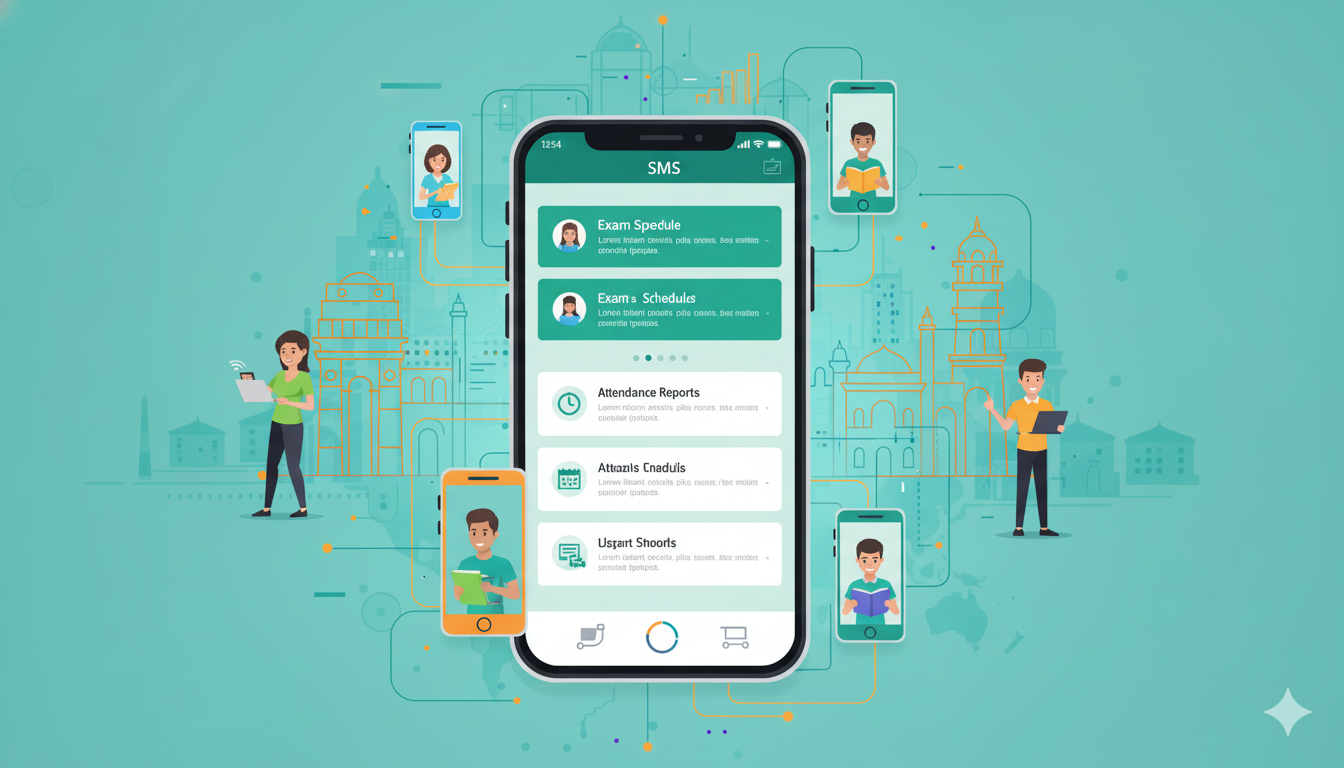

Why Educational Institutes Need Bulk SMS Services
The education sector faces unique communication challenges that require immediate attention. Parents expect real-time updates about their children's academic progress, attendance, and school activities. According to research published in educational journals, parental involvement significantly improves student academic outcomes and engagement levels.
Bulk SMS service providers in India offer educational institutes a direct communication channel with near-perfect delivery rates. Unlike emails that often remain unread or app notifications that require installation, text messages reach recipients instantly on any mobile device. This universality makes SMS particularly valuable in India, where smartphone penetration varies across socioeconomic groups but basic mobile phone usage remains nearly universal.
Studies indicate that SMS communication achieves open rates exceeding 98% within three minutes of delivery, making it the most effective channel for urgent educational notifications. This immediacy proves crucial when communicating time-sensitive information like sudden schedule changes, emergency closures, or urgent parent-teacher meeting requests.
Read Related Article- Best SMS Gateway & OTP SMS Provider in India
Essential Features for Educational SMS Platforms
Automated Attendance Notifications
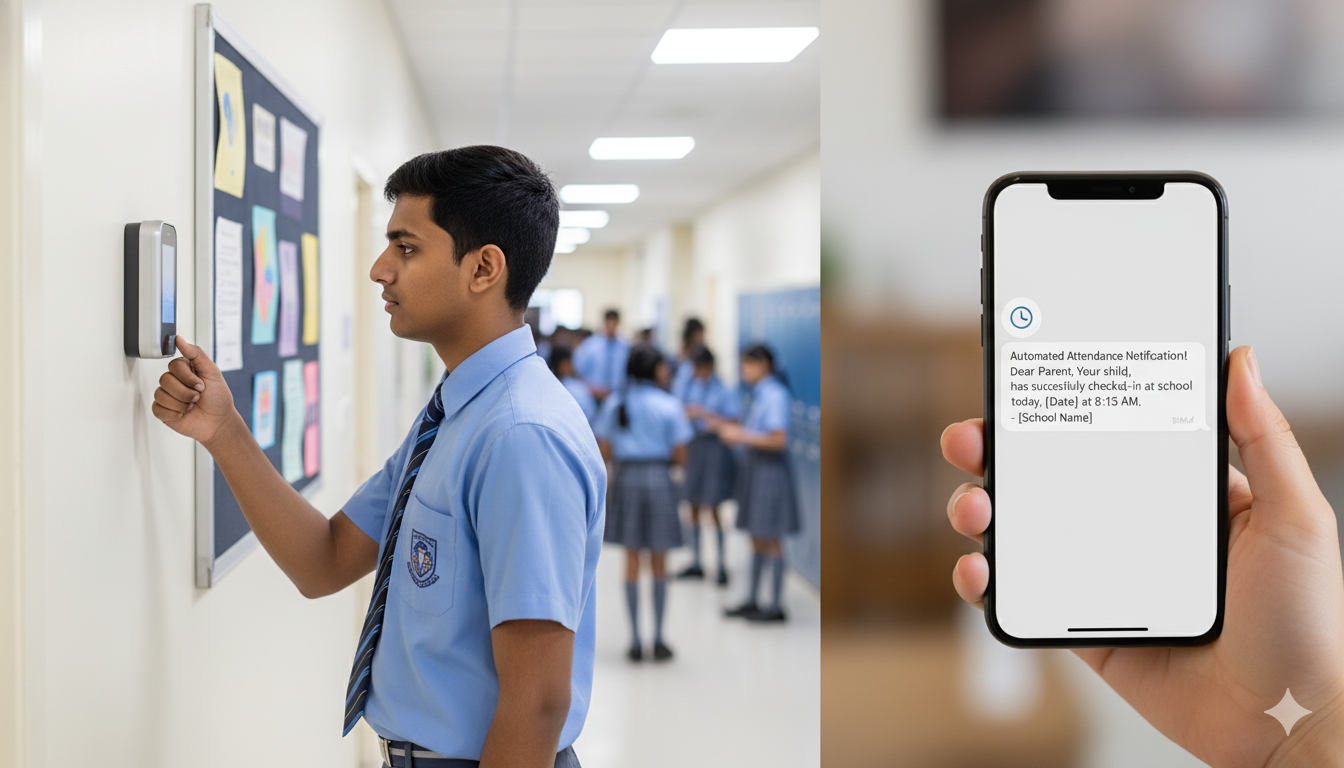
Leading SMS gateway providers enable schools and colleges to automate daily attendance alerts. When integrated with biometric or manual attendance systems, these platforms instantly notify parents if their child is absent or arrives late. This feature reduces administrative workload while ensuring parents remain informed about their child's presence in school.
The National Center for Education Statistics emphasizes the importance of tracking student attendance as a key indicator of academic success and institutional effectiveness.
Automated attendance SMS helps educational institutes maintain accountability, reduce truancy rates, and enable parents to take immediate action if their child is unexpectedly absent. Many bulk SMS service providers in India offer customizable attendance templates that include student name, class section, date, and arrival time.
Examination and Results Management
Educational institutes require robust systems for communicating exam schedules, hall ticket information, and result declarations. The ideal bulk SMS platform should support scheduled message delivery for exam reminders, personalized result notifications with individual student data, bulk announcements for examination date changes, and re-examination alerts.
Result notification via SMS ensures students and parents receive academic updates immediately without waiting for physical report cards or school website updates. This transparency builds trust and demonstrates institutional commitment to timely communication.

Fee Payment Reminders and Financial Communication
Financial management becomes significantly easier with automated fee reminder systems from reliable SMS service providers. Schools can schedule monthly reminders, send payment confirmation messages, and notify parents about pending dues. This automation improves collection rates while maintaining professional communication standards.
Research shows that automated payment reminders increase on-time fee collection by approximately 35-40% in educational institutions. The system reduces manual follow-up calls, saves administrative time, and maintains positive relationships with parents through polite, scheduled reminders rather than aggressive collection tactics.
Technical Requirements for Educational Institutes
Multi-Language Support for Diverse Communities
India's linguistic diversity demands bulk SMS service providers in India supporting regional languages. Whether communicating in Hindi, Tamil, Telugu, Marathi, Bengali, Gujarati, or other regional languages, the platform must handle Unicode characters correctly. This ensures messages reach parents in their preferred language, improving comprehension and engagement.
Schools serving diverse communities benefit from creating parallel message templates in multiple languages. Parents receiving communication in their native language demonstrate higher response rates and better understanding of important instructions, according to educational communication studies.
Database Management and Segmentation
Educational institutes maintain extensive contact databases including current students, alumni, faculty, and administrative staff. The chosen transactional SMS service should offer easy import and export of contact lists, segmentation by class, department, or academic year, custom fields for student roll numbers and parent details, and duplicate removal with database cleaning tools.
Proper segmentation enables targeted communication. For example, sending subject-specific updates only to relevant class sections, communicating hostel-related information exclusively to boarding students, or sharing department-specific announcements only with concerned faculty members. This precision prevents message fatigue and ensures recipients receive only relevant information.
API Integration Capabilities
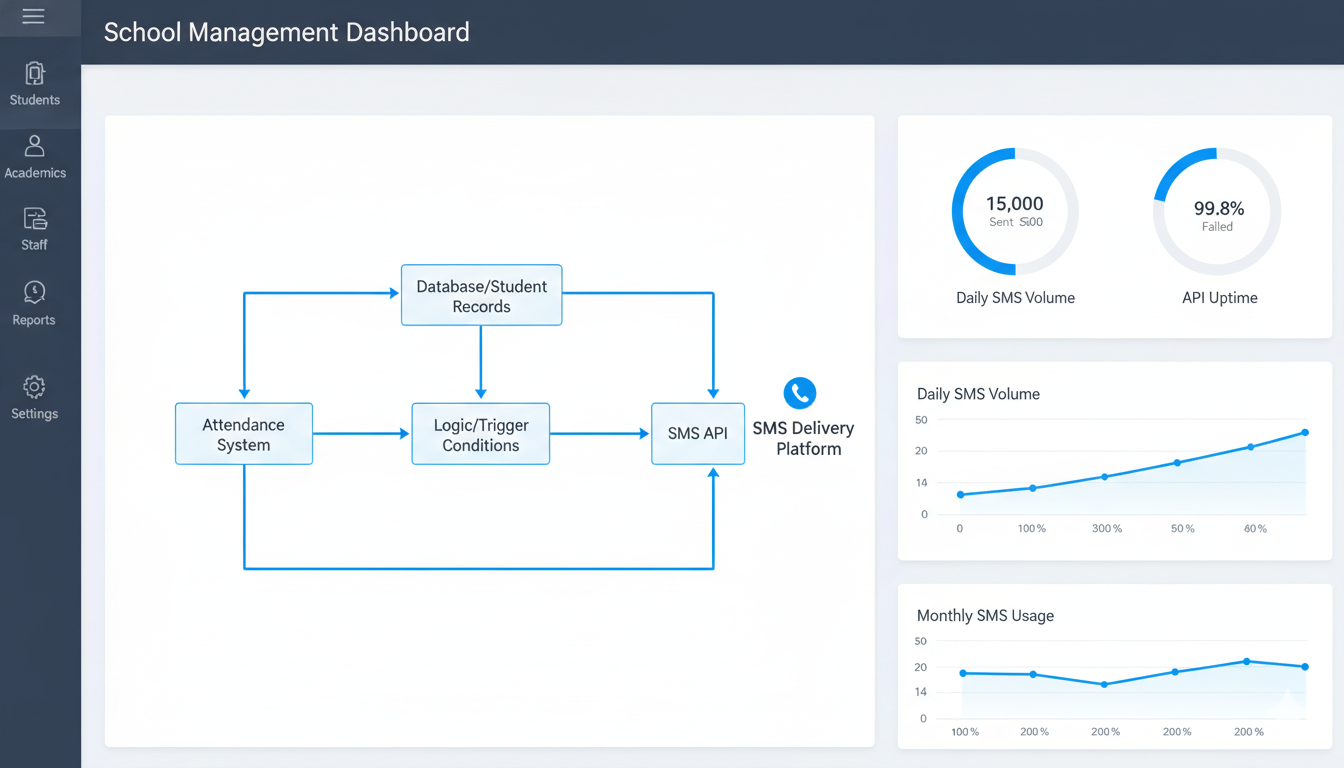
Modern school management software requires seamless integration with communication platforms. Look for SMS gateway providers offering RESTful APIs that connect with popular educational management systems. This integration eliminates manual data entry and enables automated workflows triggered by specific events like attendance marking or grade submission.
Quality API documentation, webhook support, and developer assistance ensure smooth integration without requiring extensive technical expertise. Many leading bulk SMS service providers in India offer pre-built connectors for popular school management systems, reducing implementation time and technical complexity.
Compliance and Security Considerations
DLT Registration for Educational Communication
While educational SMS often falls under the transactional category, institutes must ensure proper DLT registration with telecom operators. The Telecom Regulatory Authority of India (TRAI) mandates Distributed Ledger Technology registration for all commercial messaging to prevent spam and ensure message traceability.
The chosen SMS service provider should guide schools through template registration, ensuring compliance with TRAI regulations. Properly registered templates prevent message blocking and maintain consistent delivery rates exceeding 95%. Non-compliance can result in complete message blockage, causing communication breakdowns during critical periods like examinations or emergency situations.
Student Data Protection and Privacy
Educational institutes handle sensitive information including student records, academic performance, family contact details, and financial information. The bulk SMS platform must implement end-to-end encryption protocols, secure data storage with regular backups, role-based access controls, and audit logs tracking all system activities.
Verify that bulk SMS service providers in India comply with data protection standards and maintain strict confidentiality agreements. The platform should never share, sell, or misuse institutional databases. Parents increasingly demand transparency about how their contact information is stored and used, making data security a competitive advantage for forward-thinking educational institutions.
Cost Optimization Strategies for Educational Budgets
Volume-Based Pricing Models
Educational institutes send substantial message volumes throughout the academic year. Negotiate annual contracts with bulk SMS service providers in India offering volume discounts. Many providers offer special educational pricing recognizing the sector's budget constraints and social importance.
Calculate your annual message requirements including daily attendance alerts, weekly homework notifications, monthly fee reminders, quarterly examination communications, and periodic event announcements. This projection helps negotiate better rates and prevents mid-year budget surprises.
Transactional Versus Promotional Routing
Properly categorizing messages ensures optimal routing and delivery. Attendance alerts, exam notifications, fee reminders, and emergency communications qualify as transactional messages, receiving priority delivery without DND restrictions and 24/7 sending capability.
Event invitations, admission campaign announcements, alumni engagement messages, and optional program promotions may require promotional routing with associated time restrictions between 9 AM to 9 PM. Understanding this distinction helps maximize delivery rates while maintaining regulatory compliance through appropriate SMS gateway providers.
Credit Validity and Rollover Policies
Examine credit validity periods before committing to SMS service providers. Educational institutes experience seasonal variation in messaging needs, with peak usage during examination periods and reduced activity during vacations. Providers offering longer validity periods or credit rollover options provide better value for money.
Some bulk SMS service providers in India offer special vacation plans with reduced monthly commitments or flexible credit systems that accommodate academic calendar patterns. These customized plans align better with educational sector requirements compared to standard corporate packages.
Read More other service - Best OTP SMS Provider in India for OTP Authentication
Measuring Communication Effectiveness
Delivery Reports and Analytics
Comprehensive reporting helps institutes evaluate communication success. The bulk SMS platform should provide real-time delivery status tracking, failed delivery reports with specific reasons, time-stamped delivery confirmations, and click-through rates for messages containing website links or payment portals.
Advanced analytics reveal communication patterns, identify optimal sending times, highlight recurring delivery failures requiring database updates, and demonstrate ROI to school management and boards. Data-driven insights enable continuous improvement in institutional communication strategies.
Parental Engagement Metrics
Track response rates to two-way communication initiatives enabled by quality SMS gateway providers. Some platforms enable parents to reply with specific keywords for consent forms, meeting confirmations, information requests, or feedback submission. These interactions provide valuable feedback about communication effectiveness and parental engagement levels.
Educational research consistently demonstrates correlation between effective school-home communication and improved student outcomes across multiple metrics including attendance, academic performance, and behavioral indicators.
Measuring engagement helps identify communication gaps, recognize highly engaged parent groups, and develop targeted strategies for improving overall community involvement in educational processes.
Implementation Best Practices for Schools and Colleges
Gradual Rollout and Testing Phase
Begin with a pilot program involving select classes or departments before full implementation with bulk SMS service providers in India. This approach helps identify technical issues, refine message templates based on real feedback, train administrative staff on platform usage, and build confidence among stakeholders through demonstrated success.
Collect systematic feedback from parents, teachers, and administrative staff during the pilot phase. Use this input to improve message content, adjust timing preferences, enhance personalization elements, and address technical challenges before scaling to the entire institution.
Message Timing and Frequency Standards
Respect recipient preferences by scheduling messages during appropriate hours through your transactional SMS service. Avoid early morning or late evening notifications unless genuinely urgent like emergency closures or critical health alerts. Establish clear institutional policies about message frequency to prevent communication fatigue while ensuring important information reaches stakeholders promptly.
Optimal timing varies by message type. Attendance alerts work best immediately after morning attendance completion, homework notifications suit early evening when families gather, fee reminders prove effective at month beginning, and examination updates require adequate advance notice for preparation planning.
Template Standardization and Quality Control
Create approved message templates for common scenarios including attendance alerts, homework notifications, event reminders, fee payment requests, and examination schedules. Standardization through SMS service providers ensures consistent communication quality, reduces typing errors and information omissions, speeds up the message creation and approval process, and maintains professional institutional image.
Templates should balance completeness with brevity. Include essential information like student name, specific details, and action required, while avoiding unnecessary verbosity that reduces message clarity and increases character count.
Advanced Features for Modern Educational Institutes
Interactive Two-Way Communication
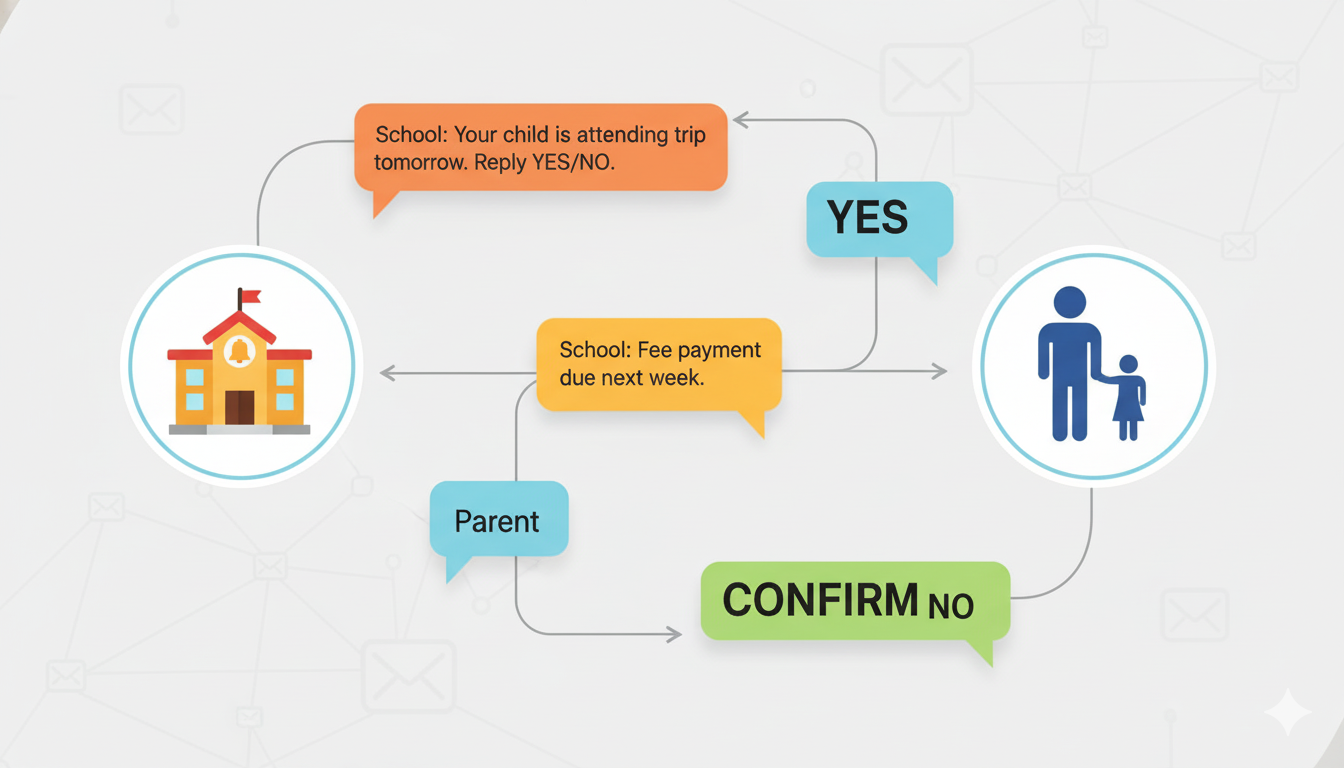
Progressive bulk SMS service providers in India offer two-way messaging capabilities allowing parents to respond directly to institutional messages. This interactivity supports consent collection for field trips, meeting attendance confirmation, feedback gathering on institutional initiatives, and quick polls on scheduling preferences.
Two-way communication transforms SMS from a broadcast channel into an engagement platform, fostering stronger school-parent partnerships and demonstrating institutional openness to dialogue.
Integration with Learning Management Systems
Connect your bulk SMS platform with learning management systems to automatically notify students about assignment deadlines, newly posted learning materials, upcoming online classes, and grade postings. This integration creates a seamless digital learning ecosystem where communication supports the entire educational journey.
Teachers can trigger automated messages without accessing separate platforms, reducing their administrative burden and ensuring consistent student communication throughout courses.
Emergency Alert Systems
Dedicated emergency communication protocols through reliable SMS gateway providers ensure rapid community notification during crises. Configure one-click emergency broadcast systems, maintain verified emergency contact lists, integrate with local authority alert systems, and conduct periodic emergency communication drills.
Schools responsible for student safety must prioritize communication infrastructure that functions flawlessly during emergencies when traditional systems might fail or become overwhelmed.
Selecting the Right Provider for Your Institution
When evaluating bulk SMS service providers in India, request demonstrations focusing on educational use cases. Ask about existing client references from schools and colleges in your region with similar size and requirements. The ideal partner should demonstrate extensive experience with educational communication requirements, offer dedicated support during admission seasons and examination periods, provide comprehensive training for administrative staff, and understand unique challenges faced by educational institutions.
Consider scalability as your institute grows. The SMS service provider should accommodate increasing student enrollment, additional campus locations, expanding communication channels, and growing feature requirements without requiring platform migration or system overhaul. Cloud-based solutions typically offer better scalability compared to on-premise installations.
Evaluate provider stability and longevity. Educational institutes need long-term communication partners rather than vendors who might discontinue services or undergo disruptive changes. Research provider background, financial stability, client retention rates, and industry reputation before making decisions.
Educational institutes that strategically implement bulk SMS services for communication report improved parental satisfaction scores, reduced administrative workload freeing staff for educational tasks, better information dissemination reaching wider audiences faster, enhanced institutional reputation through professional communication, and measurable improvements in attendance, fee collection, and parent engagement metrics.
The investment in quality bulk SMS service providers in India pays substantial dividends through enhanced stakeholder engagement and streamlined operations. As educational institutions face increasing pressure to demonstrate accountability and maintain strong community relationships, effective communication infrastructure becomes not just an operational tool but a strategic institutional asset supporting core educational missions.
Frequently Asked Questions
Q1: How can schools use bulk SMS for emergency communication?
Ans: Schools can create emergency contact groups including all parents, staff, and local authorities using bulk SMS service providers in India. In situations like weather-related closures, security concerns, or health emergencies, bulk SMS enables instant notification to entire communities within seconds, ensuring everyone receives critical information simultaneously. Emergency templates should be pre-approved and tested regularly.
Q2: What is the average cost of bulk SMS for educational institutes in India?
Ans: Educational institutes typically receive preferential pricing ranging from ₹0.20-0.30 per transactional SMS from SMS service providers. Many providers offer special educational packages with volume discounts. Annual contracts for institutes sending 50,000+ messages monthly can reduce costs to ₹0.18 per message. Promotional SMS rates are generally lower, ranging from ₹0.15-0.25 per message.
Q3: Can SMS platforms integrate with existing school management software?
Ans: Yes, most modern bulk SMS service providers in India offer API integration with popular school management systems like Fedena, MyClassCampus, Edunext, and Campus Care. Integration enables automatic triggering of messages based on attendance marking, grade updates, or fee payment recording without manual intervention, significantly improving operational efficiency.
Q4: Are there restrictions on sending SMS to parents during specific hours?
Ans: Transactional messages like attendance alerts and exam notifications from SMS gateway providers can be sent 24/7 without time restrictions under TRAI guidelines. However, promotional messages for events or admissions must follow regulations limiting delivery to 9 AM-9 PM. Educational institutes should voluntarily respect reasonable hours for non-urgent communication to maintain positive parent relationships.
Q5: How do schools handle parents without mobile phones?
Ans: While bulk SMS platforms reach the vast majority, schools should maintain backup communication channels like printed notices sent home with students, phone calls for critical information, community notice boards at school gates, and WhatsApp groups for digitally connected parents. Some SMS service providers support voice broadcasting as an alternative for parents preferring voice messages over text.
Q6: What information should be included in daily attendance SMS?
Ans: Effective attendance messages from bulk SMS service providers in India include student name and roll number, class and section, date of attendance, attendance status clearly marked, arrival time if late, and school contact number for queries. Keep messages concise while providing essential information parents need to take appropriate action if their child is unexpectedly absent.
Q7: Can educational institutes send result notifications via SMS?
Ans: Yes, results can be sent via personalized SMS through transactional SMS services containing individual student marks, grades, rank, or pass/fail status. However, ensure proper DLT template approval for such communications and consider data privacy by avoiding disclosure of comparative information that might embarrass students. Many institutes send result access codes via SMS directing students to secure portals.
Q8: How quickly are SMS messages delivered to parents?
Ans: Quality SMS gateway providers deliver transactional educational messages within 5-15 seconds during normal network conditions. Priority routing ensures attendance alerts and emergency notifications receive immediate delivery across all major Indian telecom operators including Airtel, Jio, Vodafone Idea, and BSNL. Delivery speed may vary slightly during peak network hours but remains significantly faster than email or app notifications.
Q9: Do bulk SMS services support regional languages for parent communication?
Ans: Yes, leading bulk SMS service providers in India support all major Indian languages including Hindi, Tamil, Telugu, Marathi, Bengali, Gujarati, Kannada, Malayalam, Punjabi, and others through Unicode messaging. Regional language support ensures parents receive communication in their preferred language, improving comprehension and engagement rates, particularly in rural and semi-urban educational institutes.
Q10: How can schools measure the effectiveness of their SMS communication?
Ans: Bulk SMS platforms provide comprehensive analytics including delivery rates, bounce rates with reasons, read receipts where available, click-through rates for links, and response rates for two-way communication. Schools should also conduct periodic parent surveys, track improvement in fee collection timelines, monitor attendance pattern changes, and measure reduction in administrative follow-up calls to evaluate overall communication effectiveness.