Bulk SMS API for Logistics Companies: Fleet Management & Delivery Tracking Solution
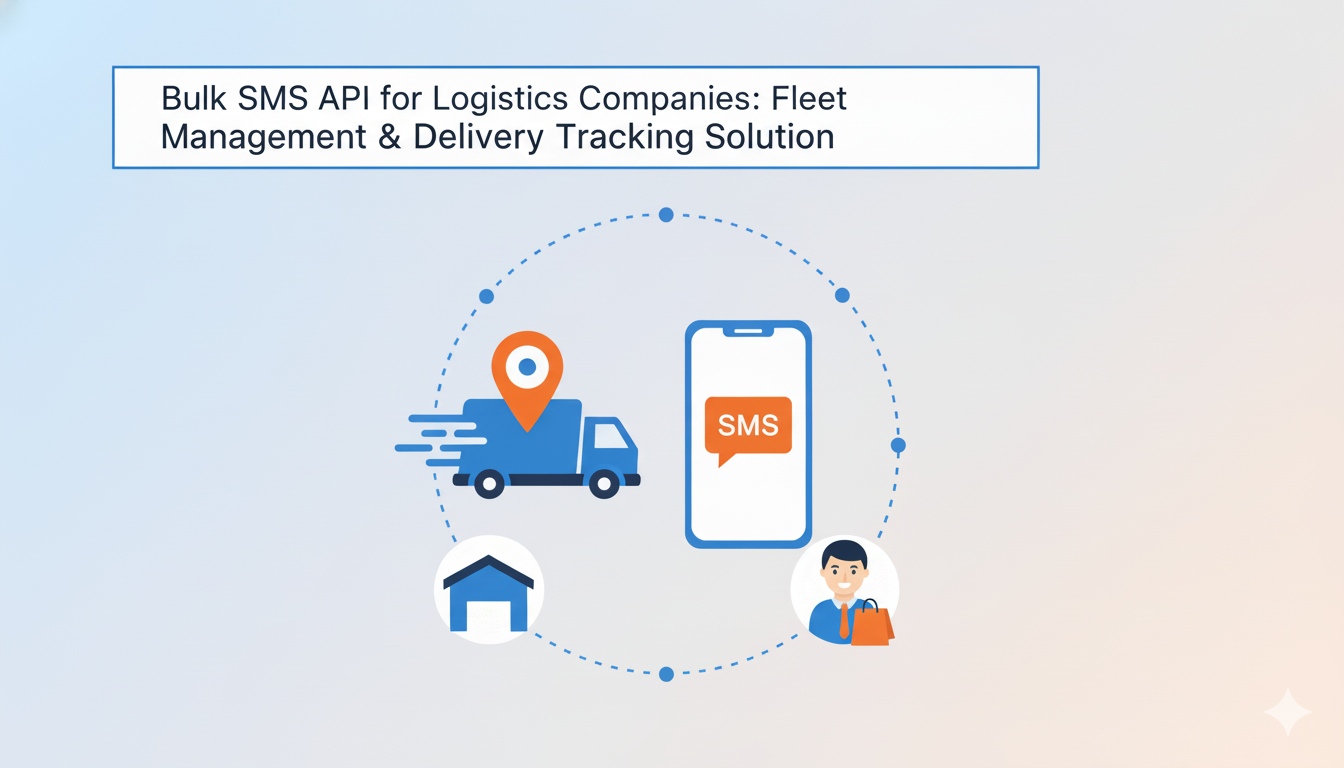
The logistics industry operates on razor-thin margins where every minute counts. With increasing customer expectations for real-time updates and transparency, traditional communication methods like phone calls and emails simply cannot keep pace. This is where bulk SMS API for logistics companies emerges as a game-changing solution that transforms how businesses manage their fleet operations and delivery tracking systems.
Why Logistics Compa nies Need Bulk SMS API Integration
The transportation and logistics industry demands seamless coordination between drivers, dispatchers, and customers, where delays, route changes, and customer expectations all require real-time communication. Modern logistics operations handle thousands of shipments daily, making manual communication impossible and inefficient.
A bulk SMS API for logistics companies solves this challenge by automating critical notifications while reducing operational costs. SMS provides a two-way communication channel with immediacy, allowing businesses to send text messages to both individuals and groups simultaneously. This instant connectivity ensures that everyone in the supply chain stays informed without the delays associated with traditional communication methods.
Related Articles -Top 10 Benefits of Bulk SMS Marketing with SMSGatewayHub
Real-Time Shipment Tracking with SMS Gateway
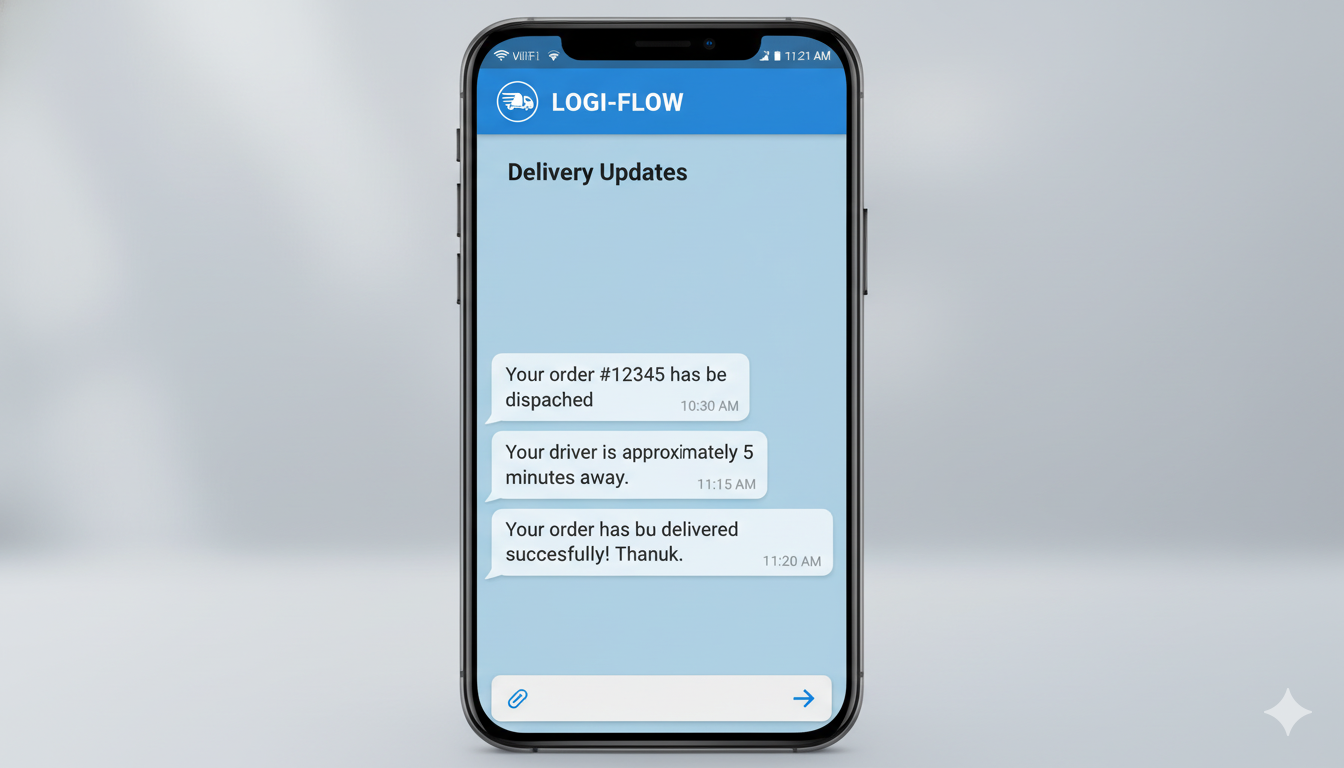
Customer anxiety about order status drives most support inquiries in logistics companies. Implementing an SMS gateway for delivery tracking dramatically reduces these calls while improving customer satisfaction. Logistics providers keep customers informed through shipment information texts, resulting in fewer inbound customer service inquiries and making teams more efficient.
Automated tracking notifications can include:
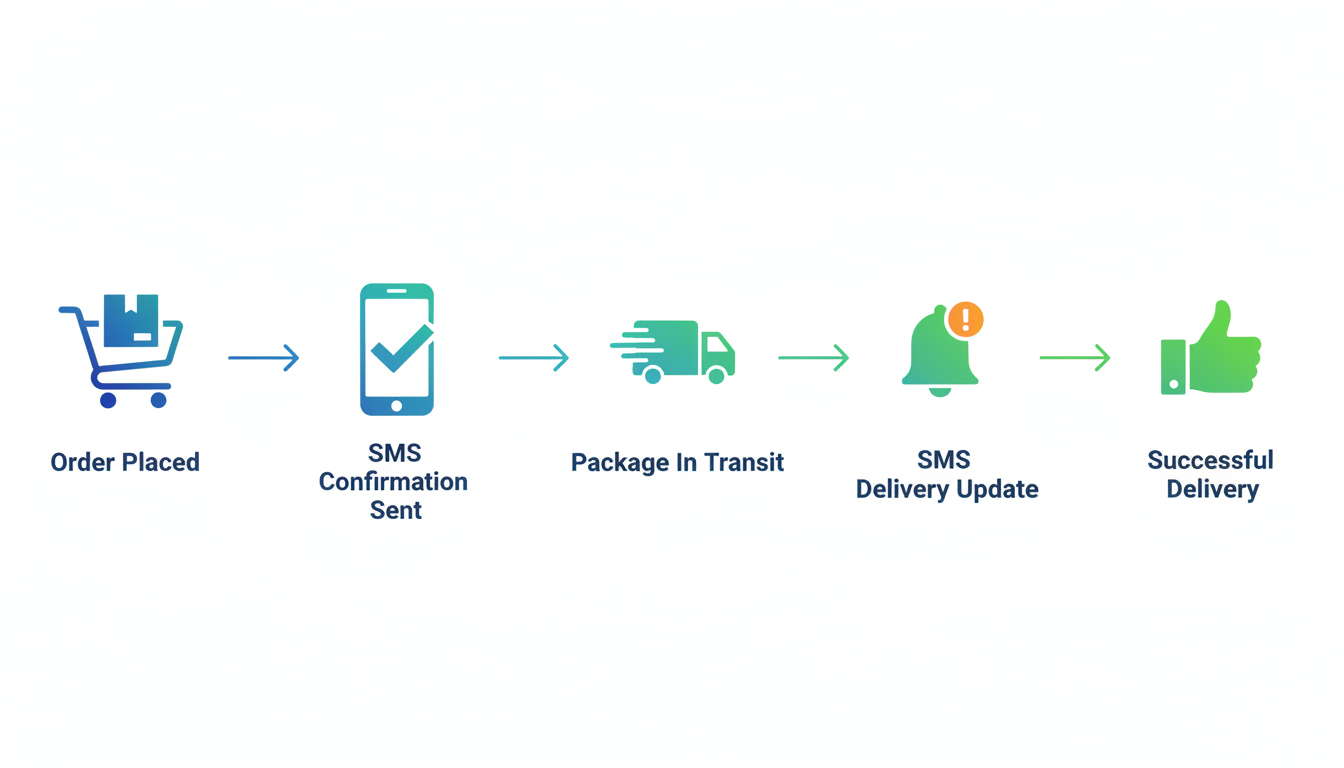
Order Confirmation Messages: Send instant confirmations when orders are received and processed, establishing trust from the first touchpoint.
Pickup Notifications: Alert customers when their shipment has been collected, providing the initial tracking reference and expected delivery timeline.
Transit Updates: Keep customers informed as packages move through different hubs and checkpoints, reducing uncertainty and anxiety.
Delivery Confirmations: Notify customers of successful deliveries with proof of delivery details, closing the communication loop professionally.
Delay Alerts: When there is heavy traffic on the road and drivers may not deliver orders on time, consumers can be notified in advance of delivery delays through SMS.
Fleet Management Through Bulk SMS Service
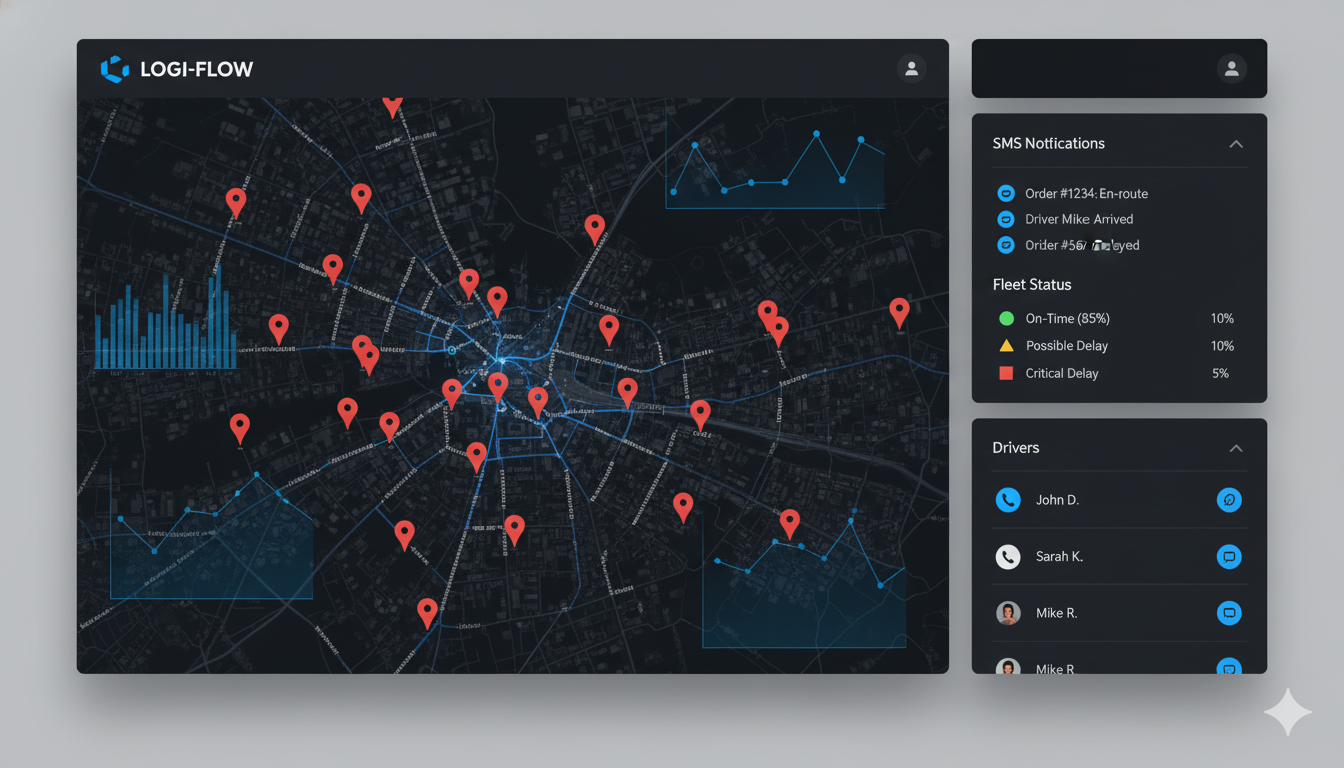
Managing a fleet of vehicles requires constant coordination and quick decision-making. A bulk SMS service for fleet management empowers logistics companies to maintain control over their operations efficiently.
Voice messages can be leveraged to manage drivers and ensure their safety, as replying to text messages while driving can be dangerous. When route changes occur or delivery addresses need updates, voice messages allow drivers to receive information safely without reading texts while on the road.
Fleet management benefits include:
Route Optimization: Send alternative route suggestions when traffic congestion is detected, helping drivers save time and fuel costs.
Job Assignments: Distribute new delivery tasks instantly to available drivers through SMS, eliminating the need for lengthy phone calls.
Emergency Communication: Broadcast urgent alerts to all drivers simultaneously during critical situations or weather emergencies.
Performance Updates: Share daily or weekly performance metrics with drivers to motivate and recognize top performers.
Maintenance Reminders: Schedule automated SMS reminders for vehicle maintenance checks, ensuring fleet reliability and safety compliance.
Implementing SMS API in Your Logistics Operations
Your SMS solution should work seamlessly with your existing dispatch, CRM, or fleet management software, with the goal being to automate messages rather than add complexity. The integration process involves connecting your Transportation Management System or warehouse software with a reliable SMS gateway provider.
Key implementation steps include:
API Integration: Connect your existing logistics software with the bulk SMS API through RESTful services or SMPP protocols for seamless data flow.
Database Setup: Organize customer contact information and driver details in segmented lists for targeted messaging campaigns.
Template Creation: Develop pre-approved message templates for different scenarios like deliveries, delays, and payment reminders.
Automation Rules: Configure triggers that automatically send SMS notifications based on specific events in your logistics workflow.
Two-Way Communication: Bulk SMS allows consumers and staff to reply immediately, enabling logistics organizations to use consumer data for fast problem-solving, order modifications, and improved coordination.
Cost Benefits of SMS in Logistics
Traditional communication methods burden logistics companies with high operational costs. Sending and receiving information through an SMS texting service is cheaper than having to pick up the phone for every problem, and SaaS services with SMS modules are cost-effective enough to be integrated into daily operations of large, medium, and small businesses.
Beyond direct cost savings, automated SMS reduces human errors that lead to expensive mistakes. When sensitive information such as time of arrival, address, or delivery details are sent via text message, human errors can be avoided almost completely. Written confirmation through SMS creates an audit trail that protects both the company and customers from miscommunication.
You May Also Like -Why SMSGatewayHub Is India's Top OTP SMS Service Provider
Choosing the Right Bulk SMS Provider India
When selecting a bulk SMS provider India for your logistics operations, consider these essential factors:
Delivery Speed: Messages should reach recipients within seconds to ensure timely updates during critical delivery windows.
API Documentation: Clear, comprehensive documentation enables smooth integration with your existing logistics management systems.
Scalability: The platform must handle peak loads during festive seasons or promotional campaigns without performance degradation.
DLT Compliance: Ensure the provider offers complete DLT registration support and template approval assistance to comply with TRAI regulations.
Uptime Guarantee: Look for providers offering 99.9% uptime SLA to ensure your critical delivery notifications never fail.
Multi-Channel Support: Modern logistics requires integration beyond SMS, including WhatsApp Business API and voice calls for comprehensive communication.
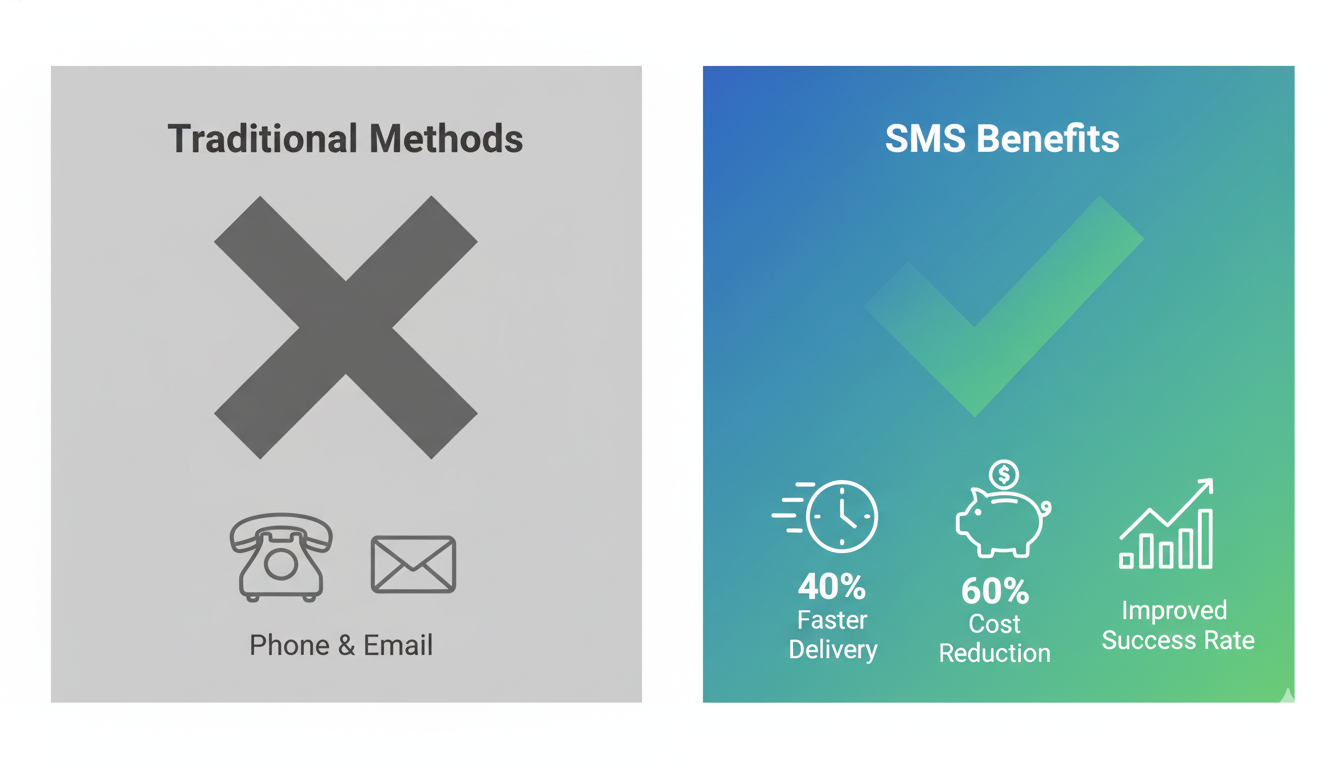
Industry Statistics: SMS Impact on Logistics Performance
The transformation brought by SMS automation in logistics is backed by compelling data. India's logistics automation market is projected to grow at a CAGR of 15.7% through 2033, with messaging automation playing a crucial role in this digital transformation.
Research shows that 27% of logistics businesses currently use SMS for internal communications and customer support, indicating significant room for adoption growth. Companies implementing automated SMS systems report dramatic improvements in operational efficiency and customer satisfaction metrics.
The logistics sector in India is experiencing unprecedented growth, with the industry valued at over $228.4 billion and expected to reach $357.3 billion by 2030. This expansion demands scalable communication solutions that can handle millions of daily notifications without human intervention.
Conclusion
The integration of bulk SMS API for logistics companies represents more than just a communication upgrade—it's a fundamental shift in how supply chain operations function. From real-time shipment tracking to automated fleet management, SMS technology addresses the core challenges facing modern logistics providers.
As India's logistics industry continues its digital transformation, companies that embrace automated messaging solutions will gain competitive advantages through improved efficiency, reduced costs, and enhanced customer satisfaction. The question is no longer whether to implement SMS automation, but how quickly you can integrate it into your operations.
Ready to transform your logistics communication? Start by identifying your highest-volume notification scenarios and implement SMS automation there first. The ROI will speak for itself through reduced support calls, improved delivery success rates, and happier customers who always know where their orders are.
Related more - How Bulk SMS Services Are Transforming the Transport Industry in 2026
Frequently Asked Questions (FAQs)
1. What is bulk SMS API for logistics companies?
Ans. bulk SMS API for logistics companies is a software interface that allows transportation businesses to send automated text messages to drivers, customers, and staff. It integrates with existing logistics management systems to trigger real-time notifications for shipment tracking, delivery updates, route changes, and fleet management without manual intervention.
2. How does SMS gateway improve delivery tracking?
Ans. SMS gateway provides instant delivery notifications at every stage - from order confirmation to final delivery. Customers receive real-time updates about their shipment location, expected delivery time, and any delays. This transparency reduces customer service calls by up to 60% and improves delivery success rates significantly.
3. Is DLT registration mandatory for logistics SMS in India?
Ans.Yes, DLT (Distributed Ledger Technology) registration is mandatory for all commercial SMS sent in India, including logistics notifications. Both transactional SMS (order updates, OTP) and promotional SMS (offers, campaigns) require proper DLT registration with TRAI-approved telecom operators to ensure message delivery.
4. What is the cost of bulk SMS service for fleet management?
Ans.Bulk SMS costs in India typically range from ₹0.16 to ₹0.25 per SMS for transactional messages and ₹0.16 to ₹0.35 for promotional SMS. Most SMS gateway providers offer volume-based pricing with discounts for higher usage. The exact cost depends on message type, delivery speed, and provider chosen.
5. Can SMS API integrate with existing logistics software?
Ans. Yes, modern bulk SMS APIs support easy integration with popular logistics platforms like SAP, Oracle Transportation Management, and custom TMS solutions. Most providers offer RESTful API, SMPP protocol, and webhook support with comprehensive documentation for seamless integration within 24-48 hours.
6. What is the difference between transactional and promotional SMS in logistics?
Ans. Transactional SMS includes order confirmations, delivery updates, OTP verification, and payment receipts - sent 24/7 without time restrictions. Promotional SMS includes marketing offers, new service announcements, and discount campaigns - only sent between 9 AM to 9 PM as per TRAI regulations.
7. How fast are SMS delivery notifications sent?
Ans. Most reliable SMS gateway providers deliver messages within 2-5 seconds to active mobile numbers in India. Delivery speed depends on telecom operator response time, network congestion, and SMS priority level. Critical notifications like OTPs and delivery alerts receive highest priority routing.
8. Can drivers reply to SMS notifications?
Ans. Yes, two-way SMS communication allows drivers to respond with status updates, confirmations, or issues. This bidirectional messaging eliminates the need for phone calls and creates an audit trail of all communications. Drivers can send simple replies like "DELIVERED", "DELAYED", or "ISSUE" which automatically update the logistics system.
9. Which is the best bulk SMS provider in India for logistics?
Ans. The best SMS provider depends on your specific needs - delivery speed, API features, pricing, and support quality. Look for providers with 99%+ uptime, DLT registration assistance, robust API documentation, dedicated SMPP channels, and 24/7 technical support specifically for logistics operations.
10. How does SMS reduce logistics operational costs?
Ans. SMS automation eliminates manual calling costs, reduces customer service workload by 40-60%, minimizes failed deliveries through timely notifications, and improves fleet efficiency with instant communication. Companies typically save ₹50,000-₹5,00,000 monthly depending on delivery volume and operational scale.
Sign up for a Free Demo and get a chance to win 10,000 Bulk SMS credits.