The journey of bulk SMS from a simple communication tool to becoming one of the most powerful marketing services is remarkable. In 2025, while businesses experiment with countless digital channels, bulk SMS stands tall with consistent performance that outshines even the most sophisticated platforms.
The Indian bulk SMS market alone is valued at ₹4,290 crores (USD 515 million) in 2025, with an annual volume of 186.2 billion messages, representing a fundamental shift in how businesses communicate with customers. But what drove this transformation? Let's explore the complete story.
The Evolution: From Basic Messaging to Marketing Powerhouse
SMS technology began in the 1990s as a person-to-person communication method. Early businesses recognized its potential, but limitations in delivery infrastructure and high costs kept it from widespread adoption. The real transformation happened when three critical factors converged: mobile penetration reached saturation levels, API technology matured, and regulatory frameworks established trust through DLT compliance in India.
Today, 98% of SMS messages are opened compared to email's 37%, making it impossible for businesses to ignore. Additionally, 90% of messages are read within 3 minutes, creating an immediacy that no other channel can match.
You May Also Like -What is the best bulk SMS service provider in India?
Why Bulk SMS Dominates Modern Marketing
Unmatched Performance Metrics
The numbers tell a compelling story. Average click-through rates range between 21-35%, dramatically outperforming social media and email campaigns. Businesses see ₹ 70 return for every ₹1 spent, making SMS one of the highest ROI marketing channels available today.
With 65% of the global population using SMS, businesses can reach customers regardless of internet connectivity or smartphone ownership. This universal accessibility makes SMS particularly valuable in emerging markets and tier-2, tier-3 cities where internet penetration remains inconsistent.
Cost-Effectiveness That Scales
Unlike paid advertising platforms where costs increase with competition, bulk SMS pricing has remained stable and affordable. Transactional SMS costs between ₹0.16-₹0.25 per message, promotional SMS costs ₹0.16-₹0.25, and OTP services range from ₹0.16-₹0.22. This predictable pricing allows businesses of all sizes to implement SMS strategies without worrying about budget overruns.
Cutting-Edge Technology Integration
Modern bulk SMS services have evolved far beyond simple text messages. AI-powered personalization and conversational messaging now enable dynamic content that adapts to individual customer preferences. Predictive analytics deliver timely, relevant messaging, ensuring customers receive communications when they're most likely to engage.
Recommended Reads -Best Bulk SMS Service Providers in India for Educational Institutes
Industry-Specific Success Stories
Healthcare: Leading SMS Adoption
The healthcare sector has emerged as the strongest advocate for SMS technology. 83% of healthcare businesses use SMS marketing, representing the highest adoption rate across all industries. The reason is clear: 36% of consumers prefer receiving texts from healthcare providers.
Healthcare organizations use bulk SMS for appointment reminders, lab result notifications, medication adherence alerts, and patient satisfaction surveys. Implementation has resulted in a 40% reduction in missed appointments and 80% faster report deliveries. One Delhi clinic reported saving ₹35,000 monthly in communication costs after switching to SMS-based appointment confirmations.
The HIPAA compliance capabilities of modern SMS platforms ensure patient data remains secure while maintaining the convenience patients expect. Real-time delivery reports help healthcare administrators track communication effectiveness and identify patients who may need follow-up attention.
Finance & FinTech: Security Meets Convenience
The finance industry reports the highest engagement rates, with 72% of businesses achieving click-through rates above 20%. More impressively, 67% of finance businesses report conversion rates exceeding 20%, demonstrating SMS's effectiveness in driving action.
Financial institutions rely on SMS for two-factor authentication through OTP codes, transaction notifications, fraud detection alerts, account activity monitoring, and payment reminders. SMS provides an additional protection layer through 2FA, significantly reducing unauthorized access attempts.
One Gurugram-based fintech startup transformed its operations using bulk SMS. They achieved a 22% improvement in loan completion rates, reduced OTP delivery time from 45 seconds to just 8 seconds, and recorded zero fraud incidents after implementing comprehensive SMS-based security protocols.
The immediate nature of SMS makes it ideal for time-sensitive financial communications. Customers receive instant notifications about suspicious activities, allowing them to respond quickly and prevent potential fraud.
For more information on banking SMS security standards, visit Reserve Bank of India's digital banking guidelines
E-commerce & Retail: Driving Conversions
48% of consumers prefer receiving texts from e-commerce and retail brands, making SMS a crucial touchpoint in the customer journey. E-commerce businesses leverage SMS for cart abandonment recovery, order confirmations, shipping notifications, return updates, inventory restocking alerts, flash sale announcements, and loyalty program communications.
79% of customers who subscribe to SMS are more likely to make purchases, representing a 21% increase from 2024. This demonstrates growing consumer comfort with SMS as a shopping channel.
Flash sales promoted via SMS consistently outperform email and social media campaigns. Retail brands achieve 3,000% ROI on flash sale campaigns when combining urgency messaging with exclusive SMS-subscriber discounts. The limited character count forces marketers to craft concise, compelling messages that drive immediate action.
Order tracking notifications reduce customer service inquiries by proactively answering the most common question: "Where is my order?" Real-time updates throughout the delivery process build trust and reduce anxiety, particularly for high-value purchases.
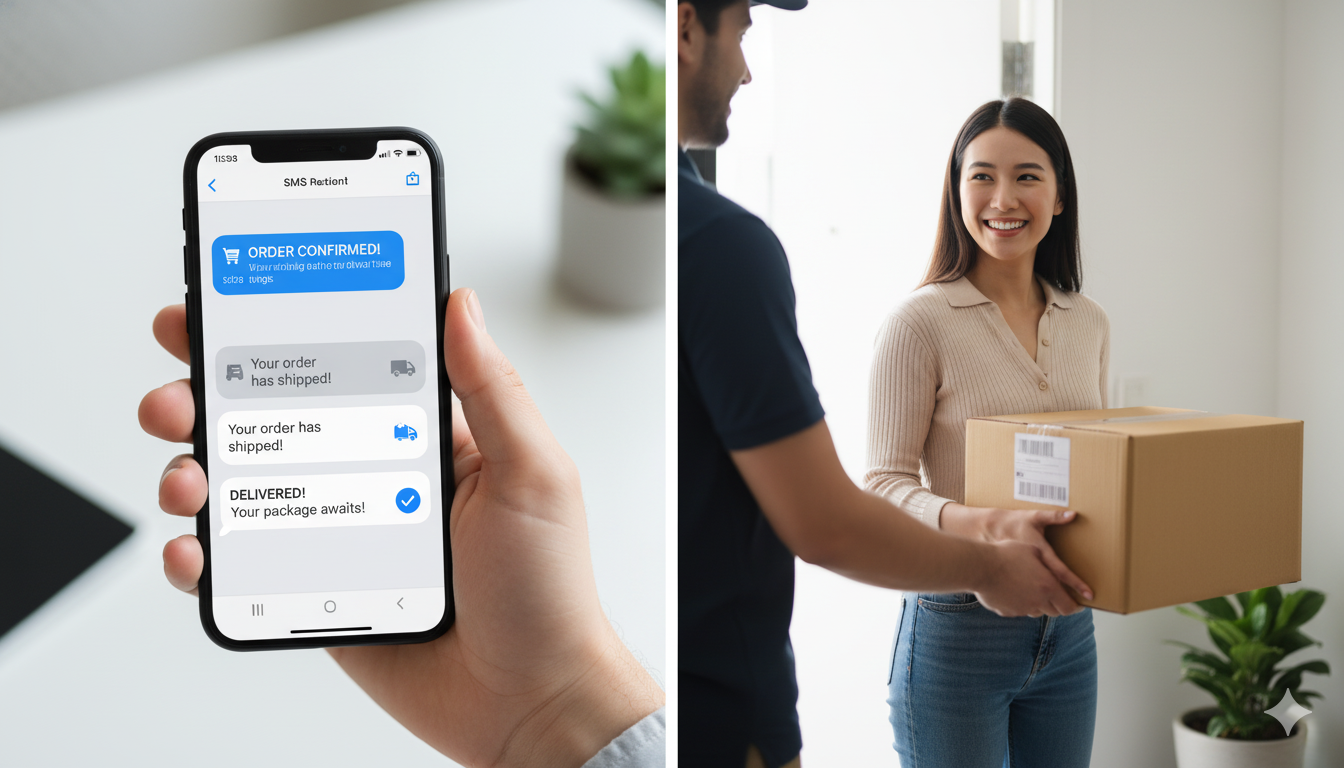
Logistics & Transportation: Real-Time Updates
The logistics sector has transformed customer experience through SMS notifications. Companies send real-time delivery updates, order tracking information, delivery scheduling confirmations, route notifications, and failed delivery alerts.
One Rohini pharmacy implemented SMS notifications and achieved a 60% reduction in failed deliveries. By confirming delivery windows and providing real-time driver location updates, they ensured customers were available to receive shipments.
GPS integration allows logistics companies to automatically trigger SMS notifications based on driver location. Customers receive alerts when their delivery is 30 minutes away, eliminating the need to wait home all day for uncertain delivery times.
The system also benefits drivers by reducing unsuccessful delivery attempts, which consume time and fuel. Clear communication about delivery preferences, access codes, and alternative instructions streamlines the entire delivery process.
Trending Now -Top Benefits of Using Logistics SMS Services for Faster Deliveries
Advertising & Marketing Agencies: Campaign Excellence
Marketing agencies leverage bulk SMS for flash sale promotions, exclusive early-access campaigns for VIP customers, brand awareness initiatives, and event marketing. 75% of consumers have made purchases based on SMS messages, validating SMS as a direct response channel.
Customer service messages (51%) and satisfaction surveys (47%) represent top priorities for marketing professionals using SMS. This data shows SMS extending beyond promotional uses into relationship-building applications.
Smart agencies segment audiences based on purchase history, engagement patterns, and demographic data. Personalized messages achieve significantly higher response rates than generic broadcasts. A/B testing different message formats, timing, and offers helps continuously improve campaign performance.
More From This Category - Boost Life Insurance Customer Retention
IT & SaaS: Technical Communications
Technology companies use SMS for system downtime alerts, password resets, account notifications, software update announcements, security breach notifications, and subscription renewal reminders. The channel's reliability makes it perfect for critical infrastructure communications that can't afford delivery delays.
Developer-friendly platforms provide RESTful APIs for seamless connectivity, webhook support for real-time event handling, and comprehensive documentation for quick integration. SaaS companies automate onboarding flows using SMS to guide new users through setup processes.
Security teams rely on SMS for immediate incident response communications. When systems detect potential breaches, SMS alerts reach IT staff instantly, regardless of whether they're checking email or monitoring dashboards.
Top Suggestions for You -Why Every Logistics & Courier Company Needs a Bulk SMS Service
Booking & Hospitality: Guest Experience
80% of hospitality businesses use SMS marketing, recognizing its impact on guest satisfaction. SMS ranks as the second-highest performing digital channel for hospitality businesses, with 69% achieving conversion rates above 20%.
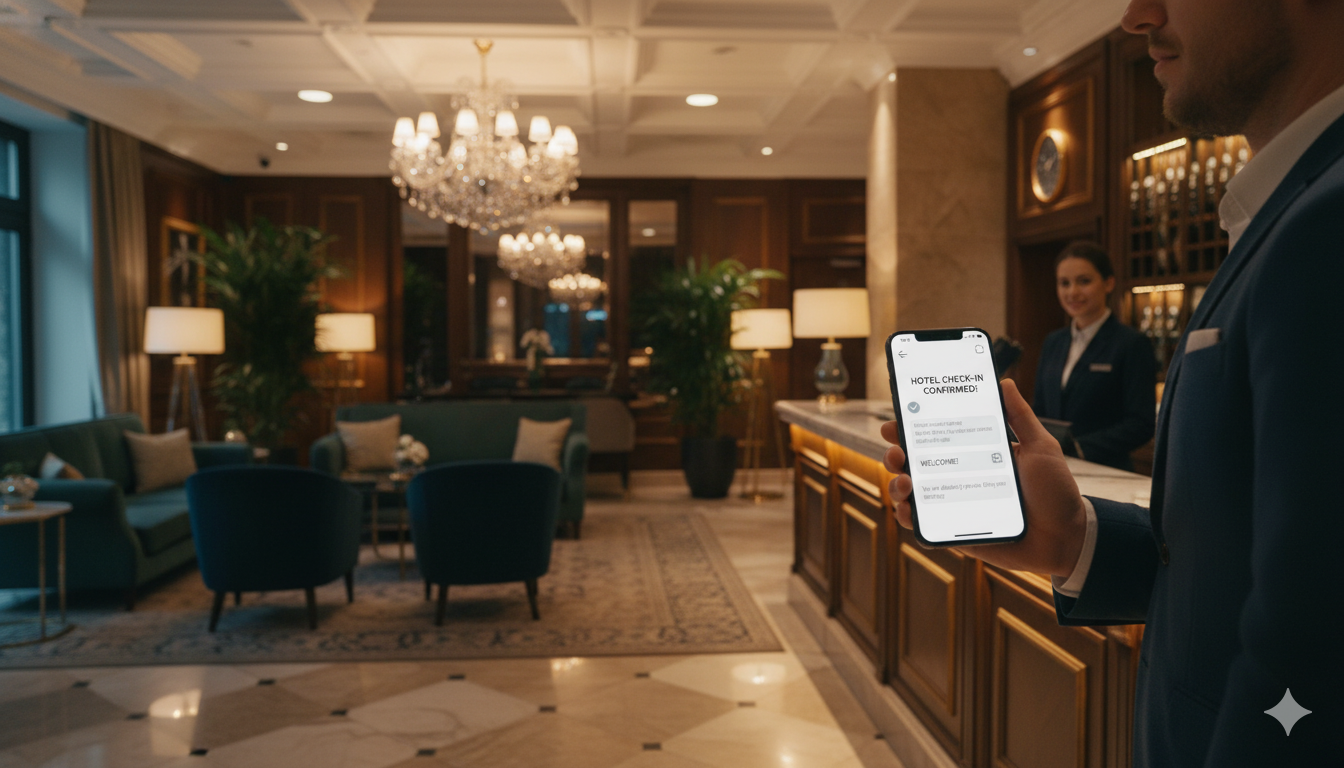
Hotels send booking confirmations, check-in reminders, room upgrade offers, local recommendations, and guest feedback requests via SMS. The pre-arrival communication sets expectations and builds anticipation for the guest experience.
Restaurants and salons use appointment confirmations to reduce no-shows. Reminder messages sent 24 hours before scheduled appointments typically reduce missed appointments by 30-40%, directly impacting revenue.
Travel companies leverage SMS for flight updates, gate changes, booking modifications, and destination information. The reliability of SMS ensures travelers receive critical information even in areas with poor internet connectivity.
Sales Teams: Pipeline Acceleration
Sales professionals use SMS for lead nurturing, follow-up reminders, meeting confirmations, demo scheduling, and pipeline updates. The informal nature of SMS creates personal connections that formal emails often lack.
CRM integration automates SMS workflows based on sales stage progression. When leads reach specific milestones, the system automatically triggers personalized messages that guide them toward conversion.
Response rates for SMS-based meeting confirmations far exceed email confirmations. Sales teams waste less time on no-shows and can reallocate that time to qualified prospects.
Implementation Best Practices
Regulatory Compliance
Businesses must comply with GDPR, HIPAA, TCPA, and DLT regulations in India. Proper compliance protects businesses from legal issues while building customer trust. Average opt-out rates remain between 0% and 1.5%, demonstrating that consumers appreciate SMS communications when executed properly.
DLT registration in India requires businesses to register sender IDs, message templates, and consent mechanisms. While initially perceived as a barrier, DLT compliance has actually improved delivery rates by reducing spam and building consumer confidence in SMS communications.
Complete DLT registration requirements available at Department of Telecommunications
Message Optimization
Messages should remain under 160 characters to ensure single-message delivery and minimize costs. Clear calls-to-action drive response rates. Including the recipient's name and relevant context increases engagement.
Timing significantly impacts campaign success. Messages sent between 10:00 AM and 12:00 PM achieve 21.3% higher engagement rates. Evening hours show diminished performance, and weekend messages underperform weekday communications by 23%.
Avoid common mistakes like excessive messaging frequency, generic impersonal content, and poor timing. Sending too many messages represents the fastest way to lose subscribers.
Other Useful Resources -Bulk SMS API for Logistics: Fleet & Delivery Tracking 2025
Platform Selection
When choosing a bulk SMS service provider, evaluate delivery rates, API quality, uptime guarantees, industry-specific features, pricing transparency, customer support quality, and compliance assistance.
Leading providers offer comprehensive analytics dashboards showing delivery rates, click-through rates, conversion tracking, and cost per acquisition metrics. This data drives continuous optimization and demonstrates ROI to stakeholders.

Future Trends Shaping SMS Marketing
AI and Machine Learning
AI and machine learning personalize and automate SMS campaigns at unprecedented scales. Systems analyze customer behavior patterns, predict optimal messaging times, generate personalized content variations, and automatically segment audiences.
Conversational AI-powered chatbots enable two-way SMS interactions that feel natural and helpful. Customers can ask questions, modify orders, or request support through simple text messages.
RCS Business Messaging
Rich Communication Services represents the next evolution of SMS. Currently, only 8.3% of businesses have implemented RCS in early testing phases, but adoption is expected to reach 45% by end of 2025. RCS enables rich media content, interactive buttons, verified sender identification, and read receipts.
RCS costs approximately 2.3 times more than traditional SMS, but enhanced capabilities justify the premium for specific use cases. Businesses should monitor RCS adoption rates in their target markets before committing significant resources.
Omnichannel Integration
Forward-thinking businesses integrate SMS with email, WhatsApp, social media, and push notifications. Multi-channel strategies combining SMS with WhatsApp show 43% better ROI compared to single-channel approaches.
Customers may receive an email about a promotion, follow-up SMS reminder, and WhatsApp message with additional details. This coordinated approach increases touchpoints without overwhelming any single channel.
Market Growth Projections
The global bulk SMS market will grow from $97.94 billion (2025) to $188.75 billion (2034). A2P messages will increase from 2.2 trillion (2024) to 3.4 trillion (2028), demonstrating sustained industry growth.
The Indian market is projected to grow at 12.1% CAGR, reaching ₹6,070 crores by 2028. Growth drivers include 5G deployment improving delivery speeds by 23%, AI adoption with 78% of businesses planning integration by 2026, and RCS migration expected to reach 60% penetration by 2027.
Trending Now - SMSGatewayHub’s Bulk Email Service in India: Smart, Scalable, and Secure Communication
Measuring Success: Key Performance Indicators
Successful SMS marketing programs track delivery rates, open rates, click-through rates, conversion rates, opt-out rates, and cost per acquisition. Establish baseline metrics, then continuously test variations to improve performance.
Businesses maintain an average of 47.3 message templates with 2.8 days approval time and 12.4% rejection rate. Template management significantly impacts delivery success and campaign effectiveness.
Response time matters tremendously. Businesses that respond to SMS inquiries within 5 minutes convert leads at 5-10 times higher rates than those taking 30+ minutes to respond.
Regional Insights: India's SMS Landscape
Maharashtra leads with 22.1% of total SMS volume, followed by Karnataka (16.8%) and Tamil Nadu (14.3%). Tier 1 cities generate 64.2% of volume despite representing smaller geographic areas.
This concentration reflects both higher business density and greater digital marketing sophistication in metropolitan areas. However, tier-2 and tier-3 cities represent significant growth opportunities as digital adoption accelerates.
Banking and financial services dominate with 34.2% market share, followed by e-commerce and retail at 28.7%. Healthcare (11.4%), education (8.9%), and travel & hospitality (7.2%) round out the top five sectors.
More Helpful Guides - How to Buy OTP SMS Service from SMSGatewayHub India
Conclusion: SMS Marketing's Enduring Power
Despite constant emergence of new communication channels, bulk SMS maintains its position as a top marketing service through consistent performance, universal accessibility, cost-effectiveness, and regulatory compliance. The channel's evolution from simple messaging to AI-powered, omnichannel integration demonstrates its adaptability and staying power.
For businesses across healthcare, finance, e-commerce, logistics, and every other sector, SMS provides a reliable foundation for customer communication. As technology advances with RCS, AI, and deeper integration capabilities, SMS marketing will only become more powerful and essential.
The question is no longer whether businesses should use SMS marketing, but how quickly they can implement it to gain competitive advantages. With proven ROI, high engagement rates, and continuously improving technology, bulk SMS service has rightfully earned its place as a top marketing service today.
Frequently Asked Questions
Q: What is bulk SMS service?
Ans. Bulk SMS service enables businesses to send large volumes of text messages simultaneously to multiple recipients for marketing, notifications, alerts, and customer communication purposes.
Q: How much does bulk SMS cost in India?
Ans.Transactional SMS costs ₹0.16-₹0.25 per message, promotional SMS costs ₹0.17-₹0.20, and OTP services range from ₹0.15-₹0.22. Pricing varies based on volume and service provider.
Q: Which industry benefits most from bulk SMS?
Ans. Healthcare leads with 83% adoption, but finance achieves the highest engagement rates with 72% of businesses reporting click-through rates above 20%.
Q: Is DLT registration mandatory in India?
Ans. Yes, DLT (Distributed Ledger Technology) registration is mandatory for all businesses sending commercial SMS in India. This ensures compliance with TRAI regulations and protects consumers from spam.
Q: How do I choose the best bulk SMS provider?
Ans. Evaluate delivery rates, API quality, uptime guarantees, pricing transparency, customer support, compliance assistance, and industry-specific features when selecting a provider.
Q: What's the difference between promotional and transactional SMS?
Ans. Promotional SMS markets products and services, restricted to 9 AM-9 PM for opt-in customers. Transactional SMS delivers critical information like OTPs and order updates, can be sent 24/7 even to DND numbers.
Q: Can SMS integrate with other marketing channels?
Ans. Yes, modern platforms integrate with email, WhatsApp, CRM systems, and marketing automation tools for comprehensive omnichannel strategies.